

茶室とオフィスの新たな潮流〜 禅の心で世界へ〜 Tea room and office
茶室とオフィスの新たな潮流
〜 禅の心で世界へ〜
世界を舞台に活躍しているある企業から「禅の心」を持った社員教育のために茶室を造ってほしいとの依頼がありました。
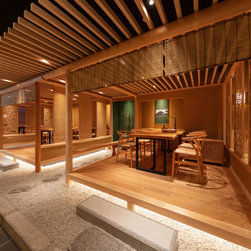
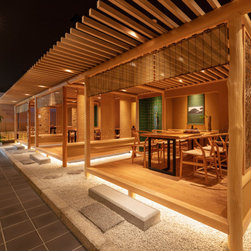
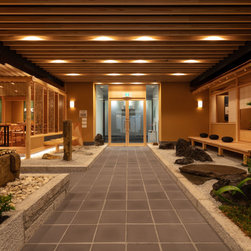
エレベータを降りたエントランスホールの両サイドのスペースに、「伝統と革新」をテーマにそれぞれ対比させた、伝統的な茶室とミーティングスペースにも活用できる新しいスタイルのテーブル茶室を提案しました。
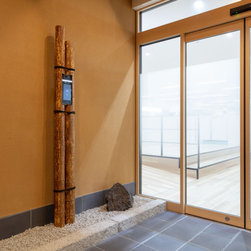
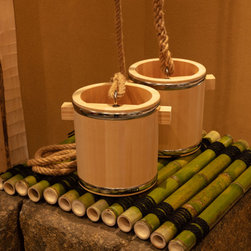
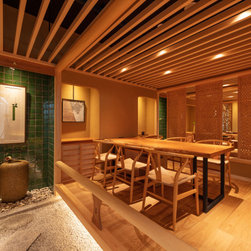
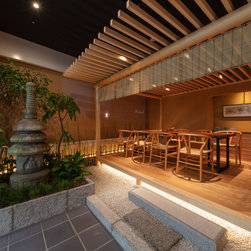
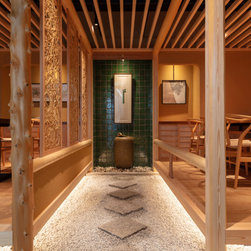
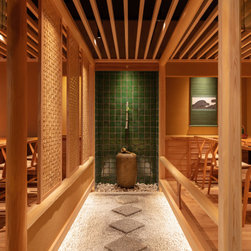
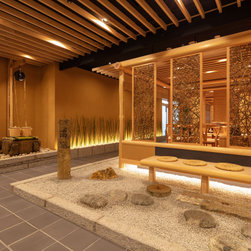
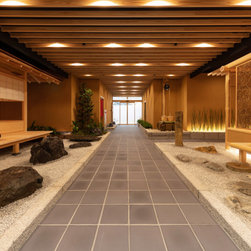
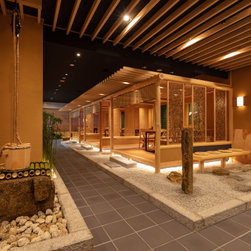
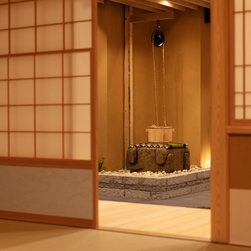
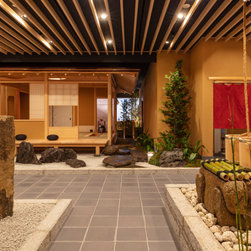
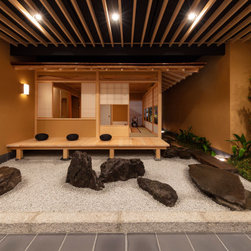
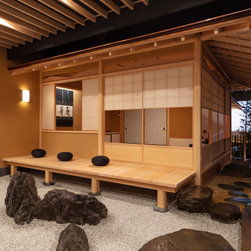
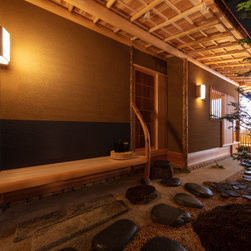
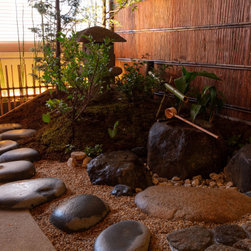
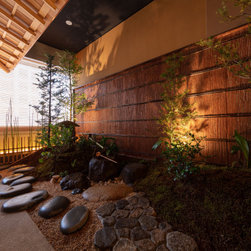
エントランスホールは両サイドに配置した鎮石と流水石から「静と動」「陰と陽」をイメージし対比となる枯山水の石庭から始まる伝統的茶室とモダンなテーブル茶室が配置されてます。
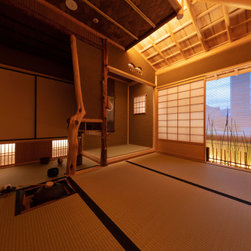
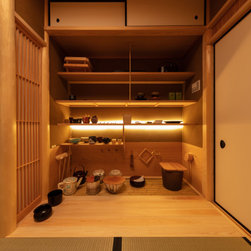
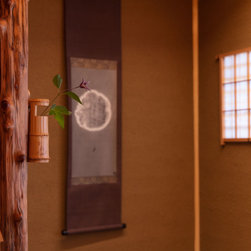
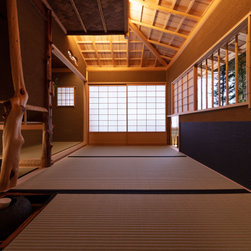
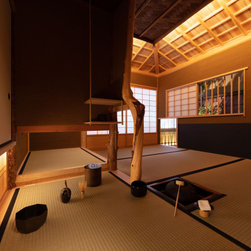
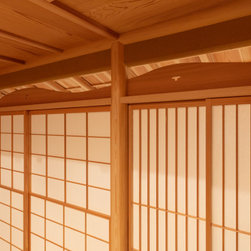
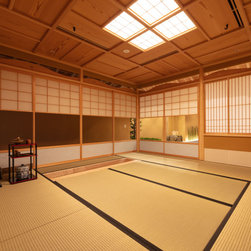
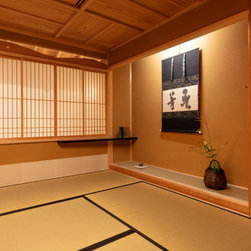
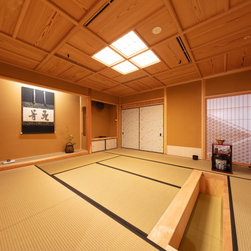
伝統的な茶室は、広間八畳と小間三畳台目に水屋の付いた空間です。広間には書聖王羲之の蘭亭序の曲水の宴をイメージした透かし彫り欄間と流水柄の江戸唐紙障子があり、広縁では瞑想できる禅スペースも用意しました。
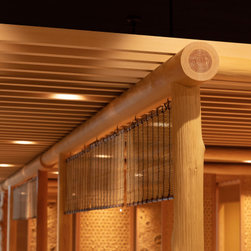
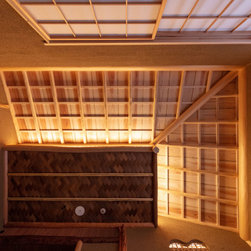
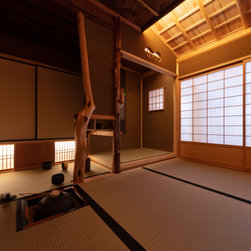
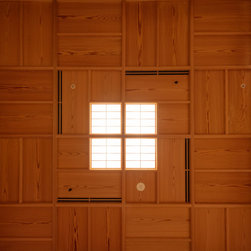
小間3畳台目茶室は洞庫と躙口と貴人口があり、松変木床柱、ムロ変木中柱はじめそれぞれ銘木に意味を持たせて使っております。和室においては天井は空間構成に特に重要な要素ですので、格天井や化粧丸太勾配天井と網代天井など表現してます。
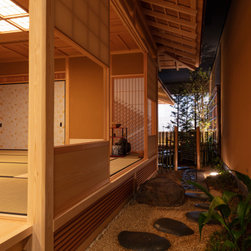
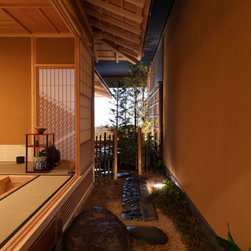
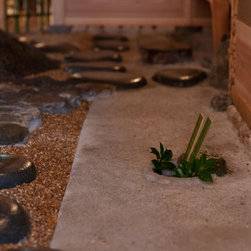
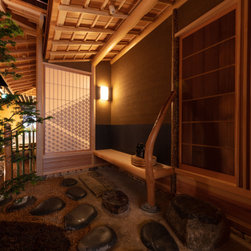
露地は石橋を渡り、飛石、延べ段を歩き枝折戸を抜けて腰掛け待ち合いへ、蹲で手と心を清めて席入りします。
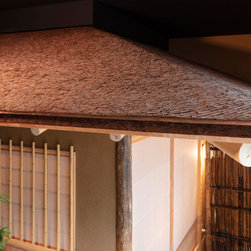
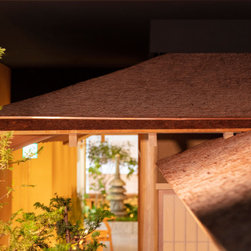
茶室屋根は伝統的な檜皮葺。現在では神社仏閣の修復でしか見なくなっきた伝統的な屋根仕上げです。
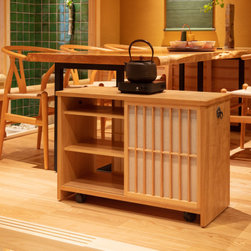
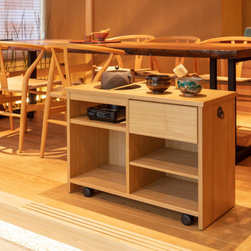
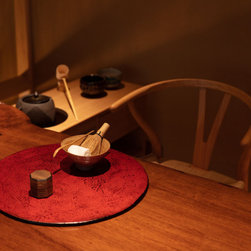
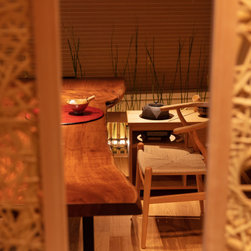
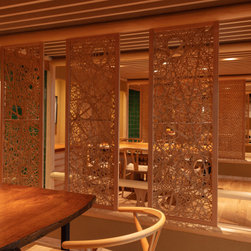
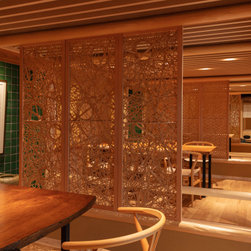
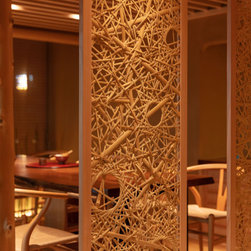
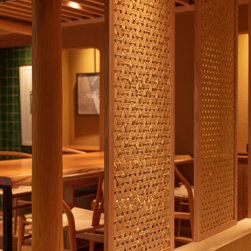
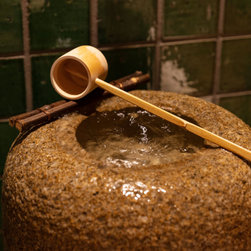
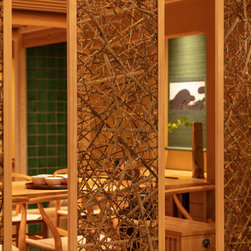
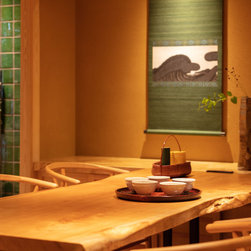
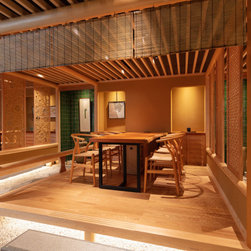
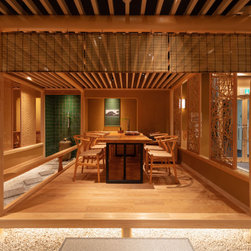
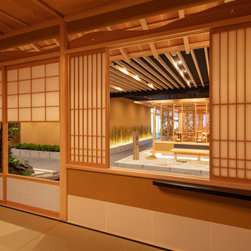
モダンなテーブル茶室は、ミーティングルームとしても活用するため、席を三つに分けてそれぞれの視線を気にしないように竹編建具で仕切っております。さらい間には禅語の丸三角四角をイメージした立ちつくばいがあり、心と身体を清めて席に入っていただけるようにしております。
特にここのテーブル席はビジネスの打ち合わせ前に一服のお茶を飲み一息ついてお互いの理解と繋がりの時間を大切にする意味もあります。
その昔、利休は茶席で信長や秀吉と時間を共にして繋がりを深めて政治にも深く関わってきましたし、戦国武将はこぞって茶道を嗜むことで戦略の助けともなっていた時代もありました。現在のビジネスにおいても茶の湯はまさに戦略ツールとしての意味も大きくなってくるのではないかと思います。
コロナで我々の働き方は大きく変わってきました。オンラインで自宅での仕事も増えリアルで会うことも少なくなり人とのつながりが気薄になってしまいました。オフイスへ行くことの意味が仕事に行く以上に人と会いに行くことになった時、オフィイスでの茶室の役割は大きく膨らんできます。働く人が少なくなったスペースを茶室に変え、学びと交流の場となり、禅の心を持って日本の伝統文化という鎧を身につけることによって世界から必要とされるビジネスマンが増え世界への日本文化の発信に繋がっていくことを願っております。
まさに茶室はオフィイスにおける新たな潮流です。
New Trends in Tea Rooms and Offices
~Going Global with a Zen Spirit~
A globally active company requested that we create a tea room for employee training in the "Zen Spirit."
We proposed a traditional tea room and a new style table tea room that could also be used as a meeting space, contrasting the themes of "tradition and innovation" on either side of the entrance hall upon exiting the elevator.
The entrance hall begins with a dry landscape garden, where the zen stones and flowing water stones on both sides create a contrasting image of "stillness and movement" and "yin and yang." The traditional tea room and modern table tea room are located side by side.
The traditional tea room consists of a large eight-tatami room and a small three-tatami room with a daimon (water closet). The large room features an openwork transom inspired by the "Banquet at the Curved Waters" in the "Lanting Xu" (Preface to the Orchid Pavilion) by the master calligrapher Wang Xizhi, and Edo-style paper shoji screens with a flowing water pattern. A Zen space for meditation is also provided on the veranda.
The three-tatami-mat tea room features a cave, a nijiriguchi (traditional Japanese entrance), and a noble entrance. Each piece of precious wood, including the pine-wood floor pillars and the muro-henki (wooden central pillars), is used with meaning. In a Japanese-style room, the ceiling is a particularly important element in the spatial composition, and is expressed through a variety of techniques, including a coffered ceiling, a decorative log-based sloped ceiling, and a wickerwork ceiling.
To reach the garden, guests cross a stone bridge, walk over stepping stones and steps, pass through a branching door, and arrive at a waiting area. They then purify their hands and mind at a stone basin before taking their seats.
The tea room's roof is made of traditional cypress bark, a traditional roof finish that is now only seen in the restoration of shrines and temples.
The modern table tea room can also be used as a meeting room, and the seating is divided into three sections, separated by bamboo fittings to prevent concerns about visibility. The rear room features a standing basin inspired by the Zen symbolism of a round, triangle, and square, allowing guests to purify their mind and body before taking their seats.
The table seating here, in particular, offers a precious opportunity to take a break and sip tea before a business meeting, fostering mutual understanding and connection.
Long ago, Rikyu spent time with Nobunaga and Hideyoshi at tea ceremonies, deepening his connections and leading to his deep involvement in politics. There was also a time when warlords of the Sengoku period practiced the tea ceremony, which aided in their strategy. I believe that the significance of tea ceremony as a strategic tool will also become increasingly important in business today.
COVID-19 has dramatically changed the way we work. With more people working online and from home, in-person meetings have become less frequent, and connections with others have become weaker. At a time when going to the office has become more about meeting people than going to work, the role of the tea room in the office expands significantly. By transforming spaces with fewer workers into tea rooms, creating places for learning and interaction, and by arming themselves with the spirit of Zen and traditional Japanese culture, I hope to increase the number of businessmen who are needed around the world and help spread Japanese culture to the world.
Tea rooms are truly a new trend in the office.
〜 禅の心で世界へ〜
世界を舞台に活躍しているある企業から「禅の心」を持った社員教育のために茶室を造ってほしいとの依頼がありました。
エレベータを降りたエントランスホールの両サイドのスペースに、「伝統と革新」をテーマにそれぞれ対比させた、伝統的な茶室とミーティングスペースにも活用できる新しいスタイルのテーブル茶室を提案しました。
エントランスホールは両サイドに配置した鎮石と流水石から「静と動」「陰と陽」をイメージし対比となる枯山水の石庭から始まる伝統的茶室とモダンなテーブル茶室が配置されてます。
伝統的な茶室は、広間八畳と小間三畳台目に水屋の付いた空間です。広間には書聖王羲之の蘭亭序の曲水の宴をイメージした透かし彫り欄間と流水柄の江戸唐紙障子があり、広縁では瞑想できる禅スペースも用意しました。
小間3畳台目茶室は洞庫と躙口と貴人口があり、松変木床柱、ムロ変木中柱はじめそれぞれ銘木に意味を持たせて使っております。和室においては天井は空間構成に特に重要な要素ですので、格天井や化粧丸太勾配天井と網代天井など表現してます。
露地は石橋を渡り、飛石、延べ段を歩き枝折戸を抜けて腰掛け待ち合いへ、蹲で手と心を清めて席入りします。
茶室屋根は伝統的な檜皮葺。現在では神社仏閣の修復でしか見なくなっきた伝統的な屋根仕上げです。
モダンなテーブル茶室は、ミーティングルームとしても活用するため、席を三つに分けてそれぞれの視線を気にしないように竹編建具で仕切っております。さらい間には禅語の丸三角四角をイメージした立ちつくばいがあり、心と身体を清めて席に入っていただけるようにしております。
特にここのテーブル席はビジネスの打ち合わせ前に一服のお茶を飲み一息ついてお互いの理解と繋がりの時間を大切にする意味もあります。
その昔、利休は茶席で信長や秀吉と時間を共にして繋がりを深めて政治にも深く関わってきましたし、戦国武将はこぞって茶道を嗜むことで戦略の助けともなっていた時代もありました。現在のビジネスにおいても茶の湯はまさに戦略ツールとしての意味も大きくなってくるのではないかと思います。
コロナで我々の働き方は大きく変わってきました。オンラインで自宅での仕事も増えリアルで会うことも少なくなり人とのつながりが気薄になってしまいました。オフイスへ行くことの意味が仕事に行く以上に人と会いに行くことになった時、オフィイスでの茶室の役割は大きく膨らんできます。働く人が少なくなったスペースを茶室に変え、学びと交流の場となり、禅の心を持って日本の伝統文化という鎧を身につけることによって世界から必要とされるビジネスマンが増え世界への日本文化の発信に繋がっていくことを願っております。
まさに茶室はオフィイスにおける新たな潮流です。
New Trends in Tea Rooms and Offices
~Going Global with a Zen Spirit~
A globally active company requested that we create a tea room for employee training in the "Zen Spirit."
We proposed a traditional tea room and a new style table tea room that could also be used as a meeting space, contrasting the themes of "tradition and innovation" on either side of the entrance hall upon exiting the elevator.
The entrance hall begins with a dry landscape garden, where the zen stones and flowing water stones on both sides create a contrasting image of "stillness and movement" and "yin and yang." The traditional tea room and modern table tea room are located side by side.
The traditional tea room consists of a large eight-tatami room and a small three-tatami room with a daimon (water closet). The large room features an openwork transom inspired by the "Banquet at the Curved Waters" in the "Lanting Xu" (Preface to the Orchid Pavilion) by the master calligrapher Wang Xizhi, and Edo-style paper shoji screens with a flowing water pattern. A Zen space for meditation is also provided on the veranda.
The three-tatami-mat tea room features a cave, a nijiriguchi (traditional Japanese entrance), and a noble entrance. Each piece of precious wood, including the pine-wood floor pillars and the muro-henki (wooden central pillars), is used with meaning. In a Japanese-style room, the ceiling is a particularly important element in the spatial composition, and is expressed through a variety of techniques, including a coffered ceiling, a decorative log-based sloped ceiling, and a wickerwork ceiling.
To reach the garden, guests cross a stone bridge, walk over stepping stones and steps, pass through a branching door, and arrive at a waiting area. They then purify their hands and mind at a stone basin before taking their seats.
The tea room's roof is made of traditional cypress bark, a traditional roof finish that is now only seen in the restoration of shrines and temples.
The modern table tea room can also be used as a meeting room, and the seating is divided into three sections, separated by bamboo fittings to prevent concerns about visibility. The rear room features a standing basin inspired by the Zen symbolism of a round, triangle, and square, allowing guests to purify their mind and body before taking their seats.
The table seating here, in particular, offers a precious opportunity to take a break and sip tea before a business meeting, fostering mutual understanding and connection.
Long ago, Rikyu spent time with Nobunaga and Hideyoshi at tea ceremonies, deepening his connections and leading to his deep involvement in politics. There was also a time when warlords of the Sengoku period practiced the tea ceremony, which aided in their strategy. I believe that the significance of tea ceremony as a strategic tool will also become increasingly important in business today.
COVID-19 has dramatically changed the way we work. With more people working online and from home, in-person meetings have become less frequent, and connections with others have become weaker. At a time when going to the office has become more about meeting people than going to work, the role of the tea room in the office expands significantly. By transforming spaces with fewer workers into tea rooms, creating places for learning and interaction, and by arming themselves with the spirit of Zen and traditional Japanese culture, I hope to increase the number of businessmen who are needed around the world and help spread Japanese culture to the world.
Tea rooms are truly a new trend in the office.
プロジェクトの竣工年/制作年: 2022
プロジェクトの費用: 7,000万円以上1億円未満
国: 日本
このプロジェクトの協力者:Tsubaki & Associates