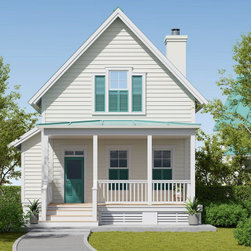


What Homeowners Should Know About Siding Sacramento Projects
The exterior siding of a home does more than just give a polished look — it protects the structure from moisture, wind, pests, and temperature swings. In the Sacramento area, where seasonal weather patterns include hot summers and occasional wet periods, having well‑installed and well‑maintained siding is especially important. Whether you’re renovating an older home or addressing wear and tear, understanding the essentials of siding Sacramento — from inspection to repair — helps you make informed decisions and protect your investment.
Why Siding Matters for Your Home
Exterior siding is a primary line of defense between your home’s interior and the environment. It helps:
Siding also contributes to insulation performance, which can help reduce cooling and heating costs over time. Poorly maintained or damaged siding not only detracts from a home’s look but can also lead to deeper structural problems if moisture reaches underlying materials.
Common Signs Your Siding Needs Attention
Homeowners may not always notice siding problems right away. However, there are several clear warning signs that indicate it’s time for evaluation and possible repair:
Visible Cracks or Gaps
As materials age, they can crack, warp, or separate, allowing water or pests to penetrate the home’s exterior. Even small gaps can become entry points for moisture.
Fading or Discoloration
UV exposure and environmental stressors can cause siding materials to fade over time. While color change alone doesn’t always indicate structural damage, it can signal that protective coatings are wearing down.
Loose or Broken Panels
Loose, buckled, or broken siding panels often result from physical impact, improper installation, or age‑related deterioration. These need prompt attention to prevent further damage.
Moisture or Mold Growth
Visible mold, mildew, or soft, spongy wood beneath siding indicates moisture intrusion. Once water gets behind siding, it can promote rot and compromise structural elements.
What Siding Repair in Sacramento Involves
Addressing siding problems properly requires more than patching surface damage. Effective repair means uncovering the root cause and correcting it to prevent recurrence.
Thorough Inspection
A reliable siding assessment includes reviewing visible exterior panels as well as inspecting underlying structures, flashings, and seals around windows and doors. Professionals determine whether damage is localized or systemic.
Targeted Repair or Replacement
Small areas of damage — such as broken panels, warped sections, or isolated rot — can often be repaired rather than replaced entirely. In more extensive cases, full panel replacement or siding overhaul may be recommended.
Weatherproofing and Sealing
Proper repair includes re‑sealing and installing flashings where needed to prevent future moisture intrusion. Sacramento weather — with dry heat and occasional heavy rain — requires siding systems that deflect water effectively and resist expansion and contraction.
Choosing the Right Experts for Your Project
Working with experienced professionals ensures that siding work is executed with care and precision. When evaluating contractors for siding Sacramento work, look for:
Local Experience
Contractors familiar with Sacramento’s climate and building conditions can recommend materials and installation techniques tailored to local needs.
Clear Estimates and Communication
Transparent cost breakdowns, timelines, and regular updates help homeowners plan and avoid surprises.
Quality Materials
Durable siding materials — whether vinyl, fiber cement, wood, or engineered composites — perform better when chosen for the specific location and exposure conditions.
Warranty and Support
Reputable providers often include warranties on materials and workmanship, offering added peace of mind and long‑term value.
FAQ
How long does siding last?
Lifespan varies by material. Vinyl and fiber cement siding often last 20–40 years or more, while wood siding may require more maintenance but can also endure with proper care.
Can I repair siding myself?
Minor cosmetic issues might be manageable for experienced DIYers. However, structural concerns, moisture damage, and wide‑area deterioration generally require professional expertise to ensure proper sealing and long‑term performance.
Does siding affect home energy efficiency?
Yes. Properly installed siding with quality insulation helps reduce heat transfer, which can improve comfort and lower energy costs.
How much does siding repair cost?
Repair costs vary based on material, damage extent, and labor. A detailed assessment from professionals helps provide accurate pricing and scope of work.
Why Siding Matters for Your Home
Exterior siding is a primary line of defense between your home’s interior and the environment. It helps:
Shield building materials from weather‑related damage
Improve energy efficiency by reducing drafts
Resist rot, mold, and pest infiltration
Boost curb appeal and property value
Siding also contributes to insulation performance, which can help reduce cooling and heating costs over time. Poorly maintained or damaged siding not only detracts from a home’s look but can also lead to deeper structural problems if moisture reaches underlying materials.
Common Signs Your Siding Needs Attention
Homeowners may not always notice siding problems right away. However, there are several clear warning signs that indicate it’s time for evaluation and possible repair:
Visible Cracks or Gaps
As materials age, they can crack, warp, or separate, allowing water or pests to penetrate the home’s exterior. Even small gaps can become entry points for moisture.
Fading or Discoloration
UV exposure and environmental stressors can cause siding materials to fade over time. While color change alone doesn’t always indicate structural damage, it can signal that protective coatings are wearing down.
Loose or Broken Panels
Loose, buckled, or broken siding panels often result from physical impact, improper installation, or age‑related deterioration. These need prompt attention to prevent further damage.
Moisture or Mold Growth
Visible mold, mildew, or soft, spongy wood beneath siding indicates moisture intrusion. Once water gets behind siding, it can promote rot and compromise structural elements.
What Siding Repair in Sacramento Involves
Addressing siding problems properly requires more than patching surface damage. Effective repair means uncovering the root cause and correcting it to prevent recurrence.
Thorough Inspection
A reliable siding assessment includes reviewing visible exterior panels as well as inspecting underlying structures, flashings, and seals around windows and doors. Professionals determine whether damage is localized or systemic.
Targeted Repair or Replacement
Small areas of damage — such as broken panels, warped sections, or isolated rot — can often be repaired rather than replaced entirely. In more extensive cases, full panel replacement or siding overhaul may be recommended.
Weatherproofing and Sealing
Proper repair includes re‑sealing and installing flashings where needed to prevent future moisture intrusion. Sacramento weather — with dry heat and occasional heavy rain — requires siding systems that deflect water effectively and resist expansion and contraction.
Choosing the Right Experts for Your Project
Working with experienced professionals ensures that siding work is executed with care and precision. When evaluating contractors for siding Sacramento work, look for:
Local Experience
Contractors familiar with Sacramento’s climate and building conditions can recommend materials and installation techniques tailored to local needs.
Clear Estimates and Communication
Transparent cost breakdowns, timelines, and regular updates help homeowners plan and avoid surprises.
Quality Materials
Durable siding materials — whether vinyl, fiber cement, wood, or engineered composites — perform better when chosen for the specific location and exposure conditions.
Warranty and Support
Reputable providers often include warranties on materials and workmanship, offering added peace of mind and long‑term value.
FAQ
How long does siding last?
Lifespan varies by material. Vinyl and fiber cement siding often last 20–40 years or more, while wood siding may require more maintenance but can also endure with proper care.
Can I repair siding myself?
Minor cosmetic issues might be manageable for experienced DIYers. However, structural concerns, moisture damage, and wide‑area deterioration generally require professional expertise to ensure proper sealing and long‑term performance.
Does siding affect home energy efficiency?
Yes. Properly installed siding with quality insulation helps reduce heat transfer, which can improve comfort and lower energy costs.
How much does siding repair cost?
Repair costs vary based on material, damage extent, and labor. A detailed assessment from professionals helps provide accurate pricing and scope of work.